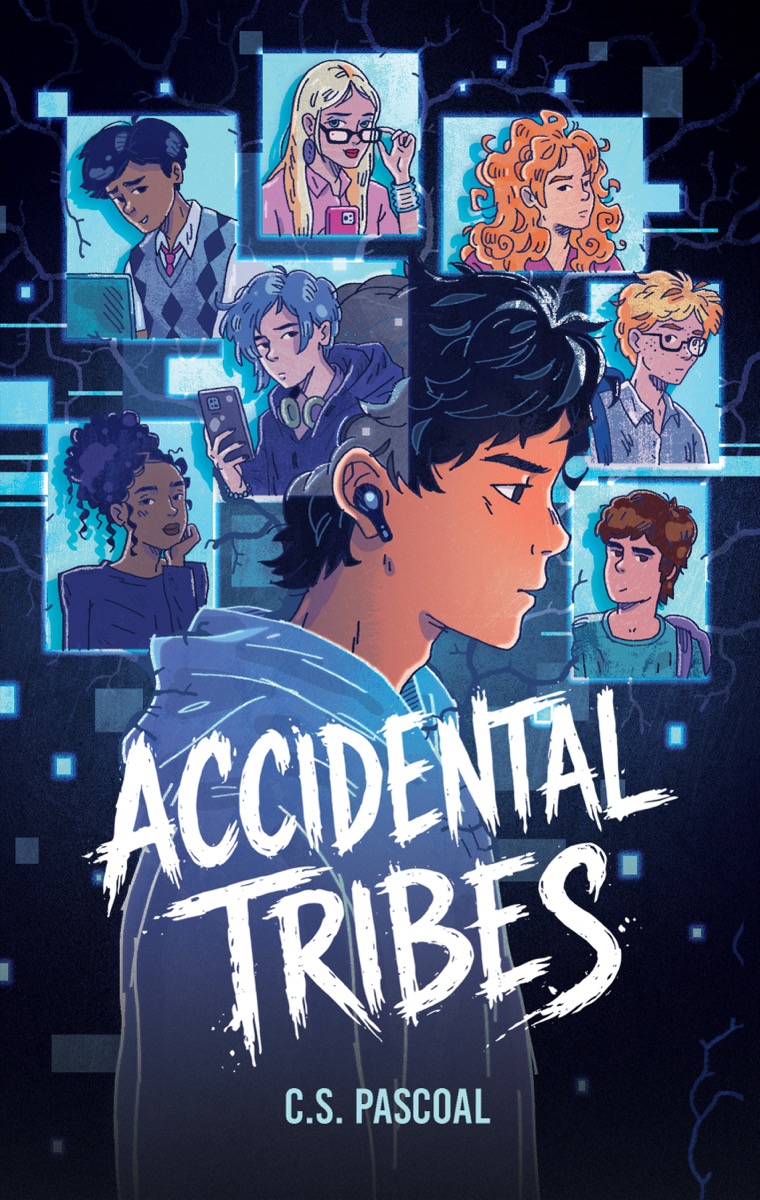
Secrets and assumptions drive the mystery in C. S. Pascoal’s Accidental Tribes. Here, she discusses how suspense shapes the story and why revelations matter beyond the clues themselves.
Why use mystery to explore identity and accountability?
Mystery works well in Accidental Tribes because identity and accountability both involve incomplete information. We make judgments before we have the whole story. Sometimes we become attached to those judgments even when evidence challenges them.
Teen mystery novels give readers a reason to examine that habit. We suspect someone, defend an interpretation, and notice details that seem to support it. Then something changes. That process can make us more aware of how we reach conclusions. In a story about people who have already been judged, the reader’s own assumptions become part of the experience.
For readers who enjoy young adult whodunits, Accidental Tribes also asks what happens after a suspicion forms. Are we examining the evidence, or becoming attached to the explanation we prefer? That question connects the mystery to the way we judge people in everyday life.
What makes secrets so powerful in a school setting?
Secrets carry particular power in the school setting of Accidental Tribes because students must return to the same social environment every day. A revelation can affect friendships, status, safety, and someone’s willingness to walk into a classroom.
The anticipation can be powerful, too. Someone may begin making decisions around what could be exposed, who might find out, and which version others will believe. That pressure can narrow their sense of what is possible. A school setting keeps those tensions close because the people involved continue to share spaces, routines, and relationships.
That combination may appeal to readers looking for books like One of Us Is Lying. The Prairies Book Review called Accidental Tribes “A razor-sharp, wickedly clever mystery for the always-on generation” and specifically identified its appeal to readers of Karen M. McManus and Maureen Johnson. The connection is the attraction of school secrets and layered relationships; Accidental Tribes brings its own setting, experiment, and illustrated format.
How did you decide how much to reveal, and when?
In Accidental Tribes, I wanted a strong reveal to change how readers understood something they had already seen and felt certain about because of their own preconceptions and judgments. The mystery invites them to revisit their assumptions alongside the characters.
The effect of a reveal matters as much as the information itself. Does it change how we understand a relationship? Does it make an earlier choice more painful or more understandable? I wanted the unfolding mystery to deepen the human story, so that discovering an answer also changes how readers see the people involved.
About the Author
C. S. Pascoal is a technology and social-impact entrepreneur and the author of Accidental Tribes. Based in New York City, she founded UnBoxMe and has worked at the intersection of technology, entrepreneurship, and social impact.
Book website · Instagram · TikTok · YouTube · LinkedIn